

Chronic Pain
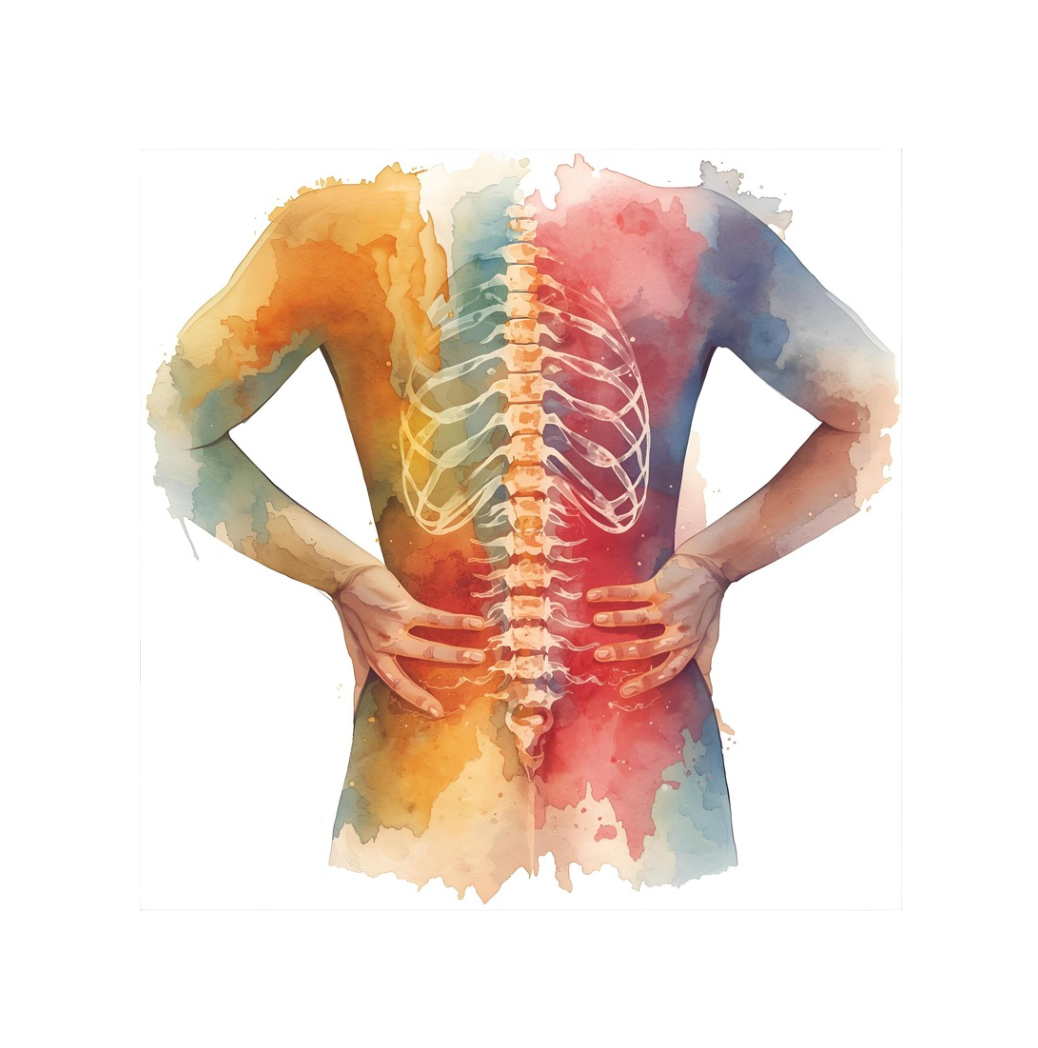
Chronic Pain and Illness:
Chronic pain affects over 1.5 billion people worldwide, which equates to roughly 25% of the global population. It is recognised as the leading cause of long-term disability globally. Chronic pain is defined as pain lasting longer than 3 months and affects nearly a third of the global population. In the UK specifically, prevalence is on the higher end, with approximately 34% to 43% of adults—nearly 28million people—living with some degree of chronic pain.
Age & Gender Disparities:
Chronic pain disproportionately affects women. Prevalence also rises sharply with age, jumping from about 16% in young adults to over 50% in individuals aged 75 and older. Even among children and adolescents, global estimates suggest that between 20% and 35% experience chronic pain.
Unresolved Case:
Approximately 90% of chronic pain cases remain unresolved or persistently ongoing year-over-year, making long-term recovery rare. When evaluating "unsolved" cases in terms of a clinical diagnostic cause, between 30% and 50% of patients live with completely undiagnosed or "idiopathic" (unexplained) chronic pain.
How can I help
I carry out a Biochemic Design, which must be conducted first before any treatment can be given. And if you want to know more about what your ailment or problem is communicating, I conduct a Psychosomatic Analysis. This will identify cell imbalances, locked emotions, stuck instincts and hormone and neurotransmitter releases, creating links between negative life experiences and the physical & emotional pain the body is experiencing.
Some clients need more
When you have been a subject of high-impact trauma, or you have been suffering from pain for some time. Some clients need to discuss in more detail to better understand what their body is communicating. This is where some interoceptive awareness sessions are needed (Internal Family Systems) to help them establish the links between internal and external pain.
More about the interoceptive awareness session work I do can be found here