

Psychosomatics of Children
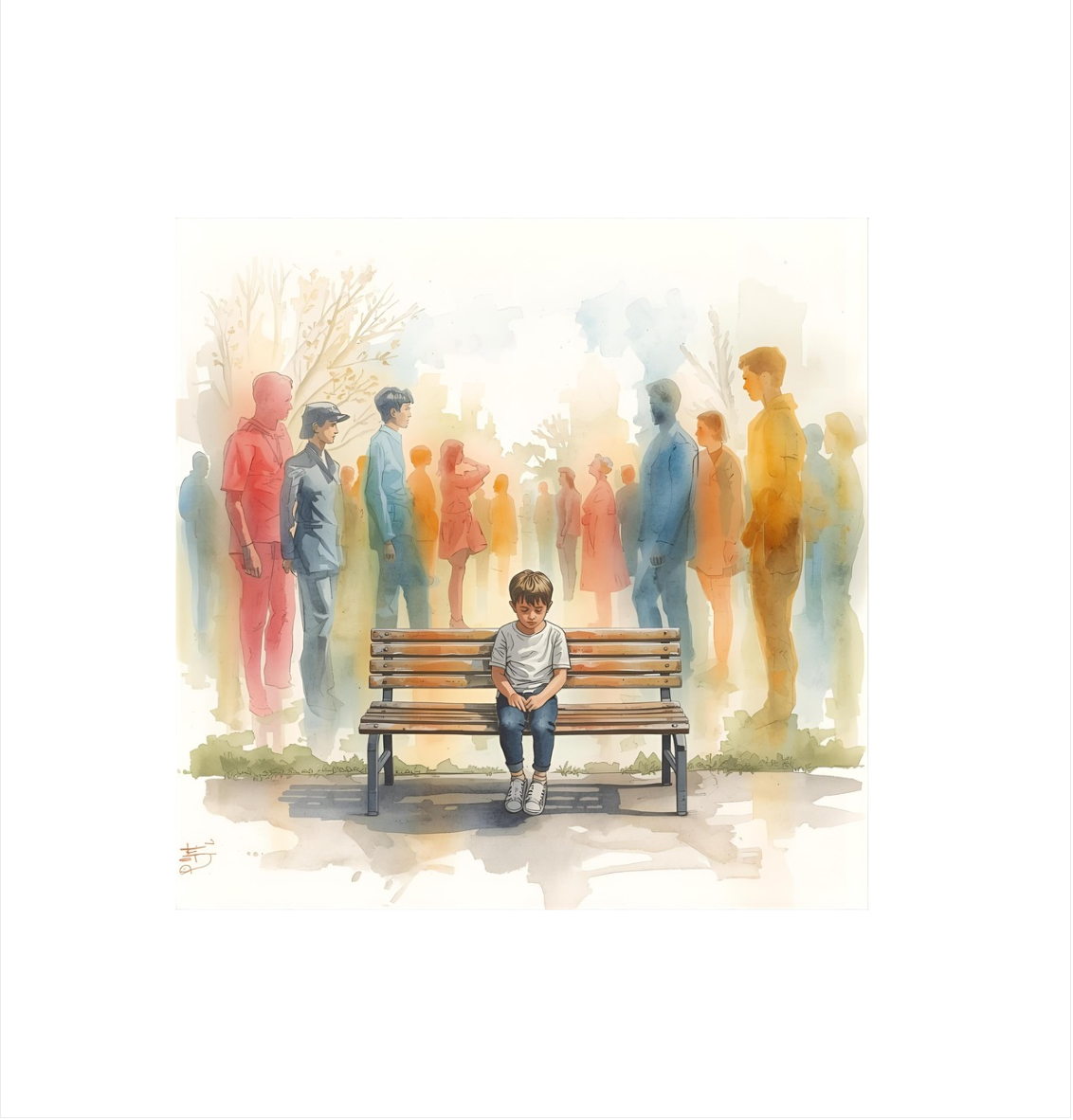
When the doctors can’t help.
It can be extremely worrying when your child has an illness and problems that the doctor can help with, or worse, misdiagnosis, and the child ends up in a spiral effect, and symptoms only worsen, or more illnesses get added to the list.
Why is psychosomatics so important in helping children with problems
It is important to remember that a child is extremely sensitive to his or her parents’ emotional state. Children are biologically designed to be sensitive towards their parents and their emotional state. This is due to a biological survival instinct response. Anything either parent experienced as a child, adult or during pregnancy will have an effect on our future lineage.
How can I help
I help by connecting the psychosomatic link between father and mother. To do this, I will need to perform a psychometric analysis on both parents and the child. This involves all ailments, pains, problems, or illnesses from both sides of the lineage. When the child is young, and no traumatic event has occurred, it will be transferred from either or both parents' epigenetics.
Do I need to see the child?
No, just basic information about age of the child, how the pregnancy and birth were for both mother and father. A complete list of ailments, pains, problems, or illnesses and dates they started for the child.
Do I need to be present when the psychosomatic analysis is conducted?
No, all analyses are carried out without the parents or the child.
If you require more information, I can send out a mock psychosomatic analysis to help demonstrate how it works. Just send me an email to contact@christopherholt.co.uk, and I’ll send one out to you.
The process of a generational psychosomatic analysis
It normally take about 16 hours to complete across a few days. But once it has been completed and discussed, some clients, after doing a psychosomatic analysis, have their ailments or pains disappear or resolve over a couple of weeks without any further help. This is because they understand within what their body is trying to communicate to them. But in some cases, it can take more work as working with generational problems can be harder to fix or change, especially if it involves inherited generational syndromes or illness. Not impossible, just more difficult.
For others, it can be a great deal to work with and need more support moving forward. This is where I would offer interoceptive awareness work.
For more information, please go to The Process page.
Psychosomatic Analysis for mother, father and child - £450. This can be broken down into a 3-stage process and payments to suit.
(I offer lower rates for individuals on low income, please email me for further information)